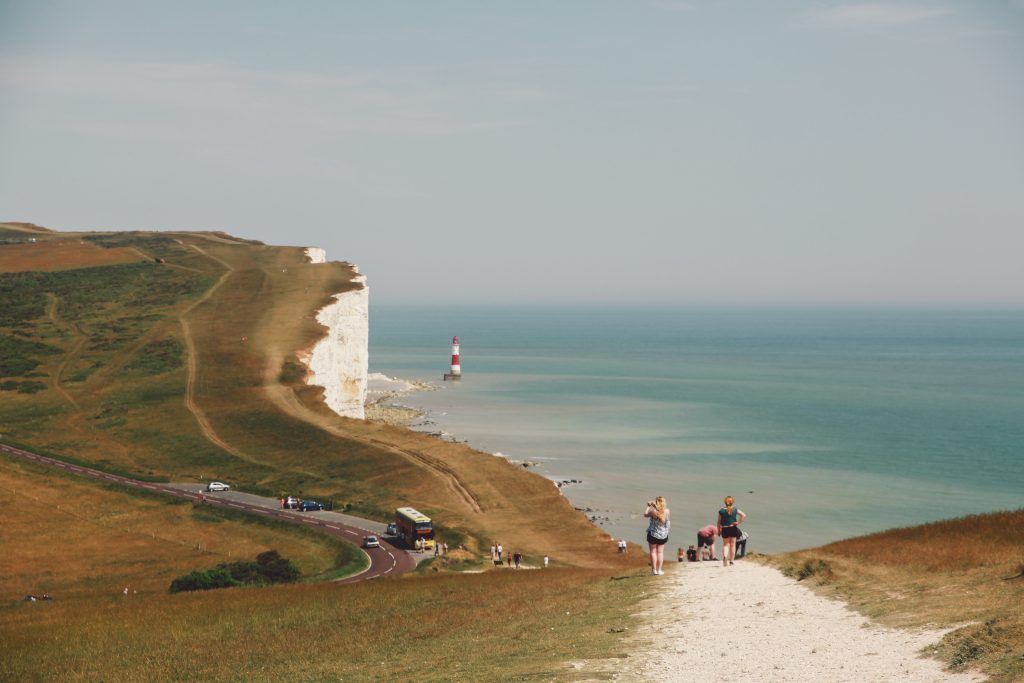
For more than two hundred years, the pull of the coast has drawn people out of the capital and towards the sea. The London to Brighton journey covers roughly 52 to 54 miles by road, which usually works out to around an hour and a half by minicab when the traffic behaves. The appeal, though, was never really about the mileage.
It rests in everything the route carries with it, from Regency history to rolling Sussex countryside and a seafront welcome that still feels like a small reward. To understand why this coastal classic keeps its charm, it helps to look at where it came from, how the drive works today, and what waits at the end.
A Coastal Escape With Deep Roots
Brighton grew from a modest fishing village into a fashionable retreat thanks to two figures in the eighteenth century. Dr Richard Russell championed the health benefits of sea-bathing, while the Prince Regent, later George IV, fell for the town and built his flamboyant Royal Pavilion there. Word travelled fast, and soon the wealthy and the curious were all heading down the same stretch of road.
What many passengers never realise is that they trace an ancient path. Beneath the modern tarmac runs the London to Brighton Way, a Roman road that once linked the capital to the coast. Layer upon layer of history sits under those wheels, which is part of why the trip feels timeless rather than routine.
From Carriage Wheels To Modern Motors
The way people made the crossing kept changing, but the pull of the coast held firm. Horse-drawn carriages gave way to the railways in the 1800s, and then came the motor car. In 1896, Parliament scrapped the absurd four-mile-an-hour speed limit, and motorists celebrated with an Emancipation Run to Brighton.
That spirited dash lives on today as the Veteran Car Run, held every November for vehicles built before 1905. Sitting comfortably in the back of a minicab, watching the same landscape roll by, you become part of a tradition that has barely paused in over a century.
How Far Is The Journey, And How Long
Distance from the capital to the coast comes in at about 52 to 54 miles by road, or roughly 47 miles as the crow flies. On a clear run, expect around an hour and twenty-five minutes in the car. Sensible planning matters here, though, since peak periods and the odd stretch of roadworks can push that closer to two hours.
A pre-booked minicab takes the guesswork out of this, since your driver knows the corridor and can adjust to the conditions on the day.
The Modern Route South
Most journeys follow the A23 and M23 corridor, which threads through Croydon before opening onto the motorway. A few landmarks shape the drive along the way:
- Croydon and Redhill: The A23 runs almost due south before joining the M23, carrying you clear of the busiest suburbs.
- Gatwick and Crawley: The motorway sweeps past the airport and Crawley before ending near Pease Pottage at Junction 11.
- Handcross and Bolney: Here the road eases back into open countryside, with gentle dual carriageway stretches through Sussex.
- Pyecombe and the South Downs: The final descent brings that first glimpse of the sea and the run into Brighton.
It is a genuinely handsome drive, and with someone else at the wheel you are free to simply watch the scenery do its quiet work.
Timing Your Trip Around The Traffic
Traffic is the one thing worth thinking about before you set off. The M23 around Gatwick has a reputation for congestion, particularly during weekday rush hours and holiday getaways. The older single-carriageway sections beyond Croydon can also crawl when volumes climb. Mid-morning departures tend to flow more smoothly, and travelling outside the Friday afternoon exodus spares you a good deal of frustration. Booking a minicab in advance for an off-peak slot is often the simplest way to sidestep the worst of it.
Weighing Up Your Options
Several ways down to the coast exist, each with its own trade-offs:
- Train: Quick at around an hour from Victoria or London Bridge, though you finish nearly a mile from the seafront.
- Coach: The budget choice, but slower at closer to two and a half hours.
- Minicab: A door-to-door journey with room for luggage and no dash between platforms at either end.
For groups, families or anyone carrying bags, a minicab measures up well against the alternatives, since being collected from your door and dropped right at the seafront removes much of the usual hassle.
Why The Coastal Classic Still Wins Hearts
Heritage, scenery and sheer convenience all fold neatly into one short journey, which is exactly why the London to Brighton run refuses to feel dated. Georgian day-trippers and modern weekenders are chasing the same thing: a proper change of scene within easy reach.
Whether it is the history, the countryside or simply the smell of the sea that tempts you, a comfortable minicab along this enduring London to Brighton route still carries travellers from city bustle to seaside calm, just as the road always has.