
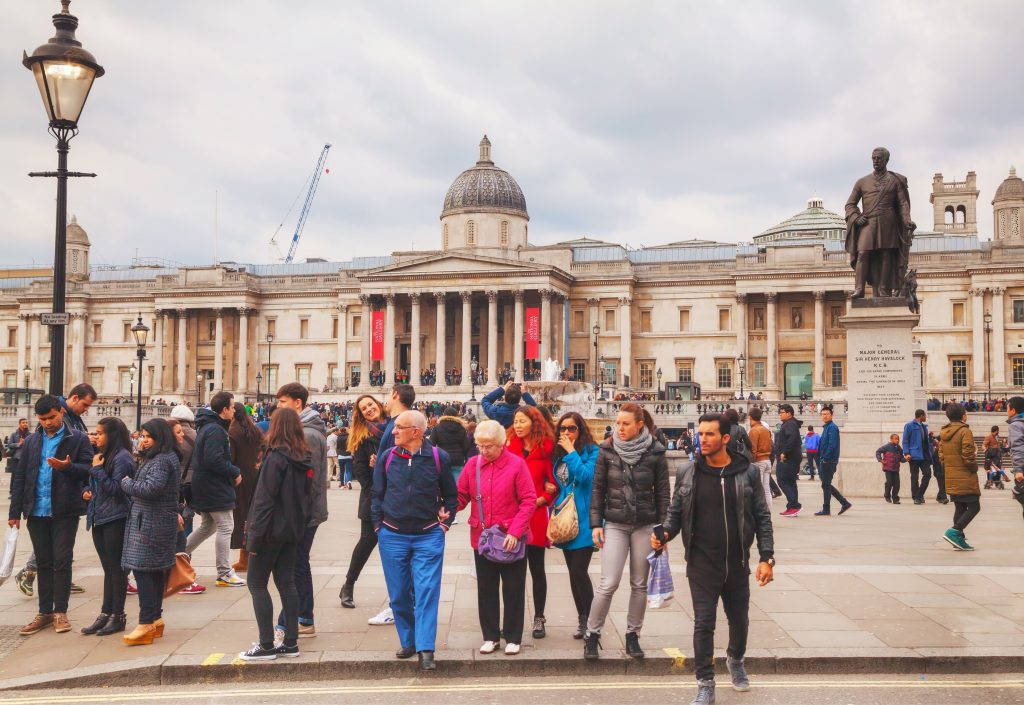
Anyone who has stood at Oxford Circus in late July knows the feeling. Pavements are packed. Buses crawl more slowly than the people walking beside them. The Tube platform looks full before your train even arrives.
Getting around Central London in peak season takes a different kind of planning from the rest of the year. Routes, timings and journey choices all change once the crowds set in. Here’s what actually changes, and how to plan around it.
When Central London Gets Busiest
Peak season doesn’t start on one fixed date. It builds slowly from June. It picks up once the school summer holidays begin in late July. It stays busy through August. Then a smaller second peak arrives at Christmas. Wimbledon draws crowds to the southwest in early July.
The Notting Hill Carnival brings huge numbers into west London over the August bank holiday weekend. Add family travel during the six-week school break, and the city runs at a different pace than in March or October.
Why Journey Times Change So Much
It’s not just the number of visitors. It’s how that number changes the maths of getting around. Weekday rush hour runs roughly from 7:30 to 9:30 in the morning and from 4:30 to 7:30 in the evening. Central traffic already slows to walking pace in these windows. Add peak tourist footfall on top, and streets like Oxford Street become hard to move along by any method.
Oxford Street is already Europe’s busiest shopping street, with hundreds of thousands of people passing through each day. This is exactly the kind of unpredictability a pre-booked minicab is built to handle. The driver plans around it. You don’t have to.
Charges Worth Knowing Before You Travel
Anyone arranging road transport into the centre should know two things:
- Congestion Charge: This applies to most vehicles entering central London on weekdays between 7 am and 6 pm. It also applies on weekends and bank holidays from midday to 6 pm. The current charge is £18 per day if paid on time. It applies to residents, visitors and private hire bookings alike.
- Ultra Low Emission Zone: This runs around the clock, every day of the year except Christmas Day. It charges older, higher-emission vehicles no matter what time you travel.
Licensed minicab operators build these charges into their fares as standard. That’s one less thing for a visitor to work out mid-journey.
Better Timing Makes The Biggest Difference
Small changes to timing make a big difference. Mid-morning, after 10 am, tends to be calmer on the roads. Early afternoon is easier too, before the school run traffic builds again from around 3:30 pm.
Tuesday to Thursday is usually steadier than Monday, which carries a weekend backlog, or Friday, when people leave work early. If your schedule has any flexibility, shift your journey by even an hour. A pre-booked minicab makes that kind of flexible timing easy to plan.
Planning Airport Journeys During Busy Months
Airport journeys need their own plan during these months. Queues, delayed flights and unpredictable roads all tend to happen at once. A pre-booked minicab with a fixed fare removes one layer of uncertainty.
The price is agreed before you travel. It stays the same whether the roads are busy or a flight lands late. Licensed private hire drivers on airport routes are used to adjusting pickup times around flight arrivals. This matters far more in August than in a quieter month.
Why Pre-Booking Matters More In Peak Season
Booking a minicab ahead carries extra weight during the busiest months. Vehicles get booked up fast around major events and school holiday weekends. A confirmed pickup time removes one more variable from a day that already involves crowds and queues.
Families travelling with luggage or young children often find a scheduled door-to-door journey far less tiring than working out busy public transport connections at peak times.
Matching Your Journey To The Day Ahead
Think about the day ahead and book transport to match it:
- Journeys with luggage or young children: A pre-booked minicab avoids the strain of crowded platforms and stairs during busy periods.
- Evening trips home from dinner or a show: A pickup arranged in advance means no time spent searching for transport on a crowded street late at night.
- Days built around a fixed schedule: Theatre tickets, a train departure or a restaurant booking all benefit from a scheduled pickup that removes the guesswork.
A Few Extra Habits Worth Building In
A few small habits help too. Carry a compact umbrella regardless of season, since London’s rainfall doesn’t follow a predictable pattern even in summer. Try quieter alternatives to the busiest streets where you can. Book anything with a fixed time slot well in advance, whether that’s a palace tour or a dinner reservation.
Peak season fills those slots fast. The same logic applies to transport. Booking a minicab ahead of a busy day is far more reliable than arranging one once you’re already out and about.
Getting around Central London in peak season comes down to one simple idea. The city runs on a different rhythm for a few months each year. Plan with that rhythm, not against it. A little planning on transport, especially for airport routes, evening journeys and busy event days, saves real time and stress. A pre-booked minicab arranged ahead of time makes that planning easy.